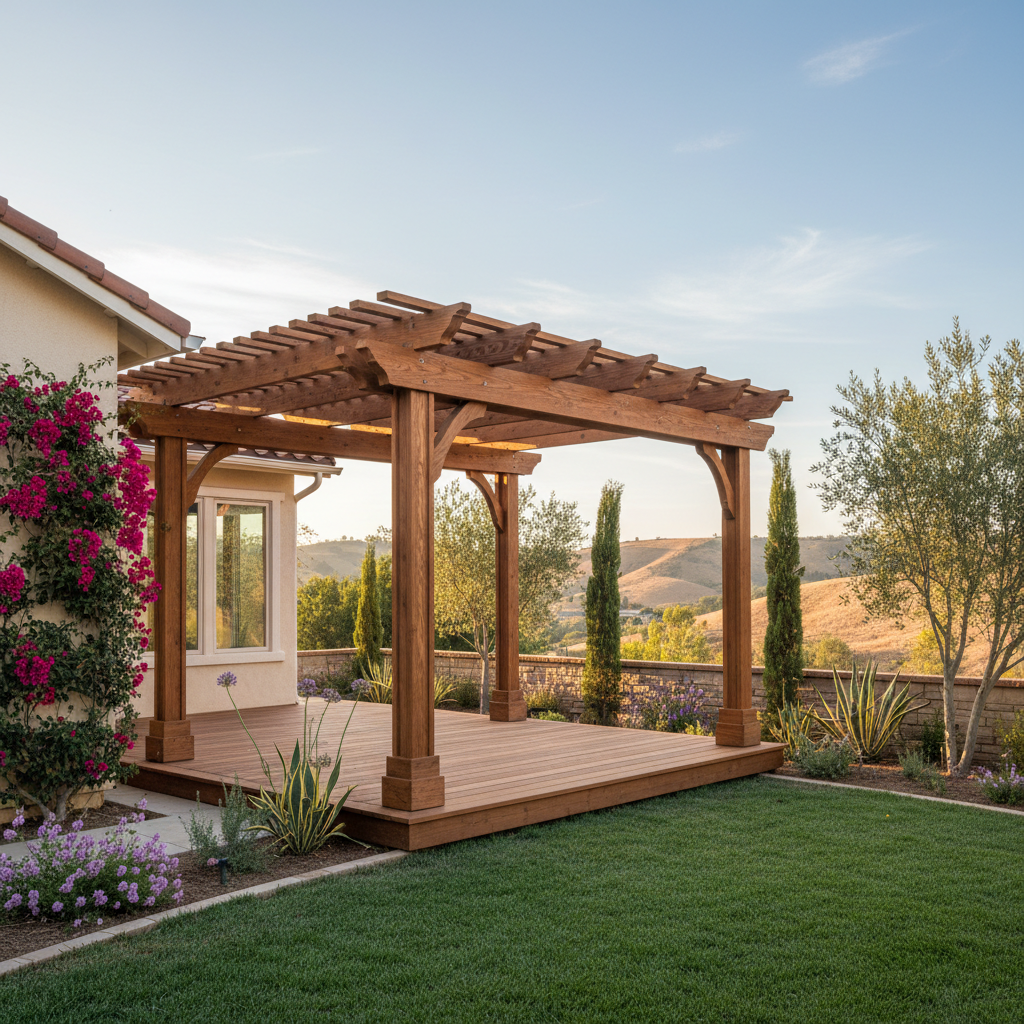
So, you're eyeing a new pergola for your yard. Smart move. They add a ton of character and shade, which, let's be honest, we could all use more of here in Pomona. But before you jump in, there are a few things you need to consider about timing, weather, and keeping that structure looking good for years.
When's the Best Time to Build a Pergola in Pomona?
Honestly, you can build a pergola pretty much any time of year here, but some seasons are definitely better than others. For us, the sweet spot is usually late spring through early fall. Think April, May, June, and then September, October. Why then?
Spring (April-June): The weather's usually fantastic. Not too hot, not too cold. We get some morning clouds, but it burns off into beautiful, clear days. This means fewer rain delays and more comfortable working conditions for my crew. Plus, you get to enjoy your new pergola all summer long.
Fall (September-October): Similar to spring, the temperatures are milder, and the intense summer heat has usually backed off. It’s a great time to get a project done before the shorter days and potential winter rains kick in.
Summer, especially July and August, can be done, but it's hot. Really hot. We're talking 90s, sometimes 100s. It just makes everything a bit slower, and working with certain materials in extreme heat isn't always ideal. Winter isn't impossible, but you run into more unpredictable rain. We don't get a ton of it, but when it comes, it can really halt progress. Nobody wants to work with wet wood or try to set footings in muddy ground.
Weather Conditions That Affect Construction
Our Pomona climate is pretty good for outdoor construction, but it's not without its quirks. Here’s what we keep an eye on:
Rain: This is the big one. Even a light drizzle can make cutting and fastening wood tricky, and nobody wants to be up on a ladder in the rain. Heavy rain can turn a backyard into a muddy mess, making it impossible to dig footings or move materials. We've got to let things dry out before we can get back to it. That's why those dry spring and fall months are golden.
Extreme Heat: Like I said, those 100-degree days are brutal. It affects the crew's stamina, and it can also impact certain materials. For example, some composite materials can expand and contract more in extreme temperature swings, and it's just plain harder to work precisely when you're sweating through everything.
Wind: We don't get crazy winds all the time, but when Santa Anas kick up, they can be a real problem. Trying to stand up large beams or panels on a windy day is dangerous and just not smart. We'll pause work if it's too gusty.
Humidity: While not as big a deal as rain or heat, high humidity can affect how wood stains and sealants dry. It's usually not a showstopper, but it's something we factor in for finishing touches.
Protecting Your Pergola Year-Round
You’ve invested in this beautiful outdoor structure, so you want it to last. Here’s how to protect it from our local conditions, whether it's wood or a low-maintenance material:
Regular Cleaning: Dust, pollen, and general grime build up fast here, especially with the dry air. A simple wash-down with a hose and a soft brush a couple of times a year will do wonders. For wood, you might need a mild cleaner. For vinyl or aluminum, a little soap and water is usually all it takes.
Sealing and Staining (for Wood Pergolas): This is crucial. Our intense sun will bleach and dry out wood faster than you can say “Pomona Deck & Porch.” You need to reapply a good quality sealant or stain every 1-3 years, depending on the product and how much sun exposure your pergola gets. Look for products with UV inhibitors. Don't skip this; it's the best defense against cracking, warping, and rot.
Check for Loose Fasteners: With temperature changes and general wear, screws and bolts can sometimes loosen up. Give your pergola a quick once-over every six months or so. Tighten anything that feels wobbly. This is especially important for the connections to your house or posts set in concrete.
Inspect for Damage: Look for any signs of rot, insect damage, or cracks. Early detection means easier, cheaper fixes. If you have climbing plants, make sure they aren't causing structural issues or trapping too much moisture against the wood.
Consider Shade Covers: Even if your pergola has slats, adding a retractable shade canopy or fabric sails can offer extra protection from the sun for both the pergola itself and you. It reduces UV exposure on the wood, extending the life of your finish.
Taking a little time for maintenance will keep your pergola looking great and standing strong for decades. It’s an investment, and like any investment, it needs a little care. If you're ready to talk about getting one built, give us a call at Pomona Deck & Porch. We're happy to walk you through the options.