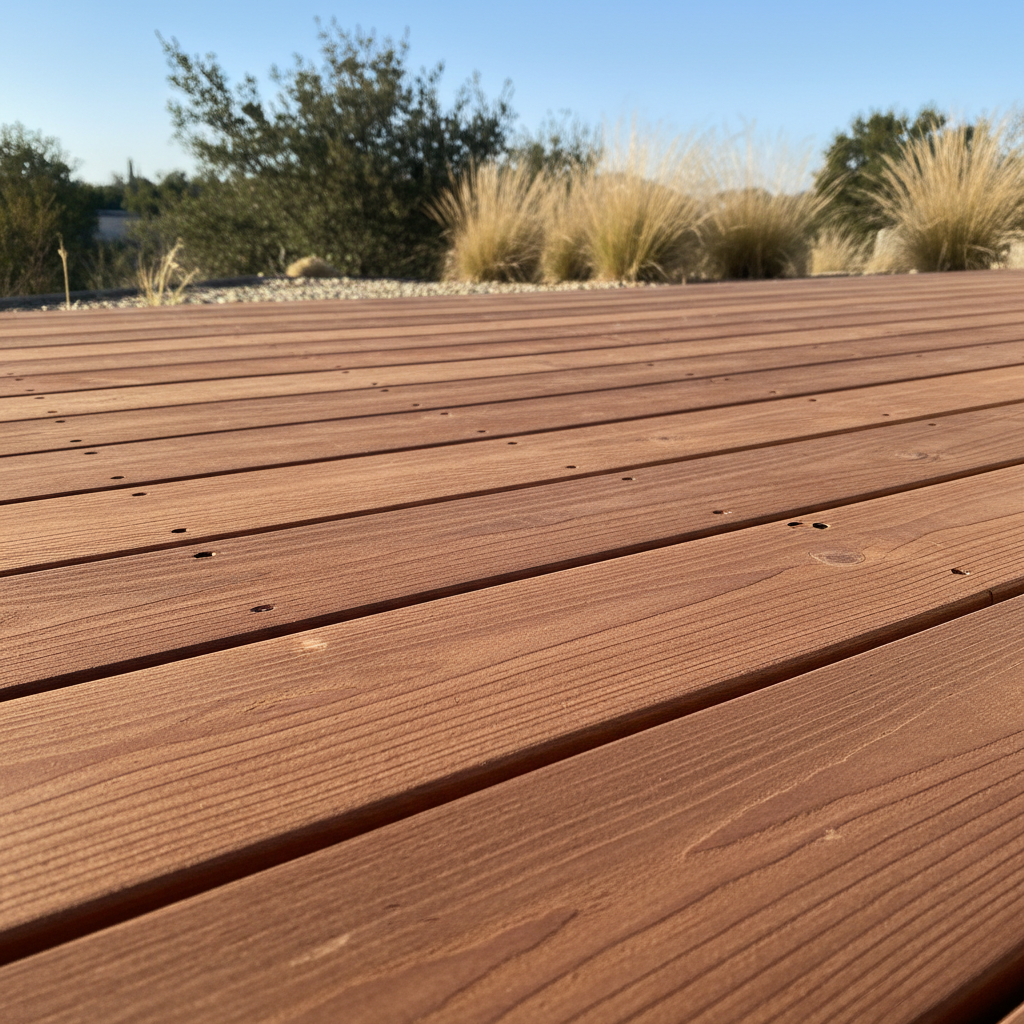
So, you're dreaming of a new deck. Maybe you want a spot for those summer BBQs, or just a nice place to relax and enjoy our awesome Southern California weather. That's great! A deck adds a ton of value and enjoyment to any home. But before you start sketching plans or buying lumber, let's get real about what goes into building one, especially here in Pomona.
Before You Even Think About Lumber
First things first: planning. This isn't just about how big you want it. You've got to think about permits. Yeah, I know, permits are a pain, but they're non-negotiable. Building codes are there for a reason – safety. You'll need to submit plans to the City of Pomona's building department. They'll check things like setbacks from property lines, structural integrity, and even fire safety, especially with how dry it can get out here in the foothills.
Then there's the design. Think about how you'll use the deck. Do you want it attached to the house or freestanding? What about stairs, railings, or even a pergola? This is where a good plan saves you headaches and money down the road. Don't skimp on this part. A detailed drawing, even a simple one, helps you visualize and catch problems early.
Material choice is huge too. Wood like redwood or cedar looks great but needs regular maintenance. Composite decking is low-maintenance but costs more upfront. Consider our intense summer sun and occasional heavy rains – you want something that's going to hold up. I've seen too many folks in areas like Phillips Ranch try to cut corners on materials only to have their deck look beat up after a few years.
What You Can DIY (and What You Probably Shouldn't)
Alright, let's talk about getting your hands dirty. There are definitely parts of a deck project a handy homeowner can tackle:
- Demolition: If you're replacing an old deck, tearing it down can be a good way to save some cash. Just make sure you know what you're doing and have a plan for debris removal.
- Staining/Sealing: Once the deck is built, applying stain or sealant is a pretty straightforward job. It's tedious, but totally doable.
- Simple Railings: If you're just installing pre-fabricated railing sections, you might be able to handle it.
- Deck Boards: Laying the actual deck boards can be done by a DIYer, especially if you're careful with spacing and fasteners.
But here's where I tell you to seriously consider calling in a pro, like us at Pomona Deck & Porch:
- Footings and Framing: This is the foundation of your deck. If your footings aren't deep enough, or if the framing isn't square, level, and properly supported, you're looking at a wobbly, unsafe deck that won't pass inspection. This requires precise measurements, digging, concrete work, and a good understanding of structural loads. It's not just about digging a hole; you need to know about soil conditions and drainage.
- Complex Designs: Multi-level decks, curved designs, built-in benches, or anything beyond a basic rectangle gets complicated fast.
- Stairs: Building safe, code-compliant stairs is trickier than it looks. The rise and run have to be consistent, and railings need to be secure.
- Permit Navigation: While you can do it yourself, a professional contractor deals with the city's building department all the time. We know the ins and outs, which can save you a lot of time and frustration.
Honestly, the structural integrity of your deck isn't something to mess around with. An improperly built deck isn't just an eyesore; it's a safety hazard. I've seen decks collapse, and it's not pretty.
After the Build: Keeping Your Deck Looking Good
So, the deck's built, the inspections are passed, and you're ready to enjoy it. Great! But the work isn't totally done. Maintenance is key to making your investment last.
- Cleaning: Regular cleaning, especially after our dusty Santa Ana winds, will prevent grime buildup and keep it looking fresh. A simple scrub with deck cleaner and a hose usually does the trick.
- Sealing/Staining: If you went with wood, you'll need to re-seal or re-stain it every few years. This protects against UV rays, moisture, and rot. Don't skip this, especially with our intense sun.
- Inspections: Do a quick check every year or so. Look for loose boards, wobbly railings, or any signs of rot or insect damage. Catching these things early can prevent bigger, more expensive problems down the line.
Building a deck is a big project, and it's exciting. Just make sure you go into it with your eyes open. Know your limits, understand the local requirements, and don't be afraid to bring in the pros for the parts that really matter. You want a deck that's safe, beautiful, and will be enjoyed for years to come.